CEO POV: Mobility, Media and Culture: The Real Impact of a Unified GCC Visa
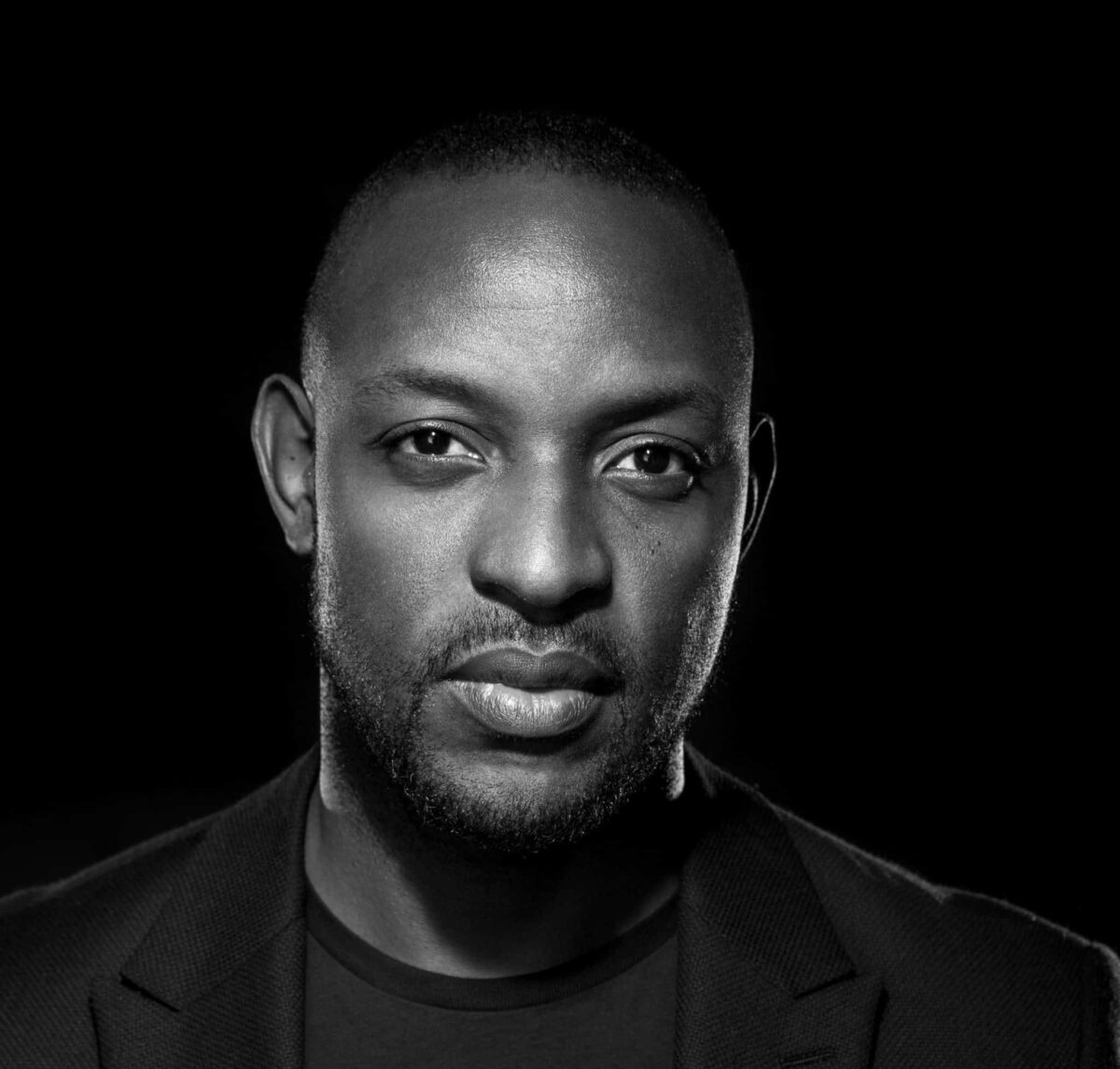
FutureTech’s CEO, Boye Balogun states that the shift from single-city travel to a seamless, multi-city visitor experience will accelerate the emergence of a truly integrated market for festivals, sport, film, and the wider creative industries
For years, we have spoken about the Gulf as a connected region made up of six markets with shared history and aligned ambition. But the truth is that until movement becomes seamless, you cannot unlock true cultural or economic integration.
The upcoming unified GCC visa is more than a tourism announcement. It signals that the region is entering its next chapter, shifting from individual destinations to a borderless cultural and economic ecosystem.
A Schengen style approach changes the psychology of travel. The moment a visitor can enter Dubai and easily continue on to Riyadh, Doha, Muscat, Jeddah or Manama, the Gulf stops behaving like a collection of separate stops and begins to feel like one extended experience.
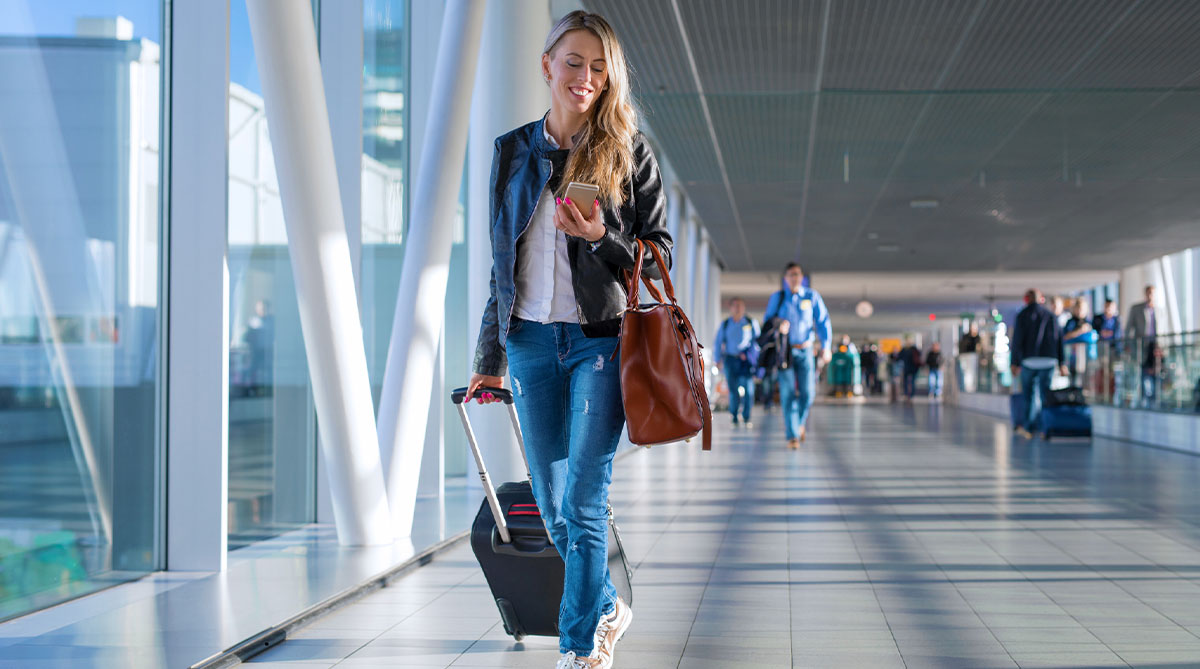
Tourists no longer plan a single trip. They plan a journey. A conference in one city naturally leads to cultural exploration in another. A business meeting becomes a multi country itinerary. The simple act of removing friction reshapes how people imagine the region.
This shift in thinking echoes the recent remarks of His Excellency Abdulla bin Touq Al Marri, Minister of Economy and Tourism of the United Arab Emirates. He posed a simple but powerful question:
“Would you want to come to Riyadh or Dubai ten times a year, or would you rather explore more of Saudi Arabia, more of the UAE and beyond.”
His point was clear. The future of Gulf tourism is not about competition. It is about connection. When movement becomes easy, travellers stop choosing between destinations. They begin experiencing the region as a whole.
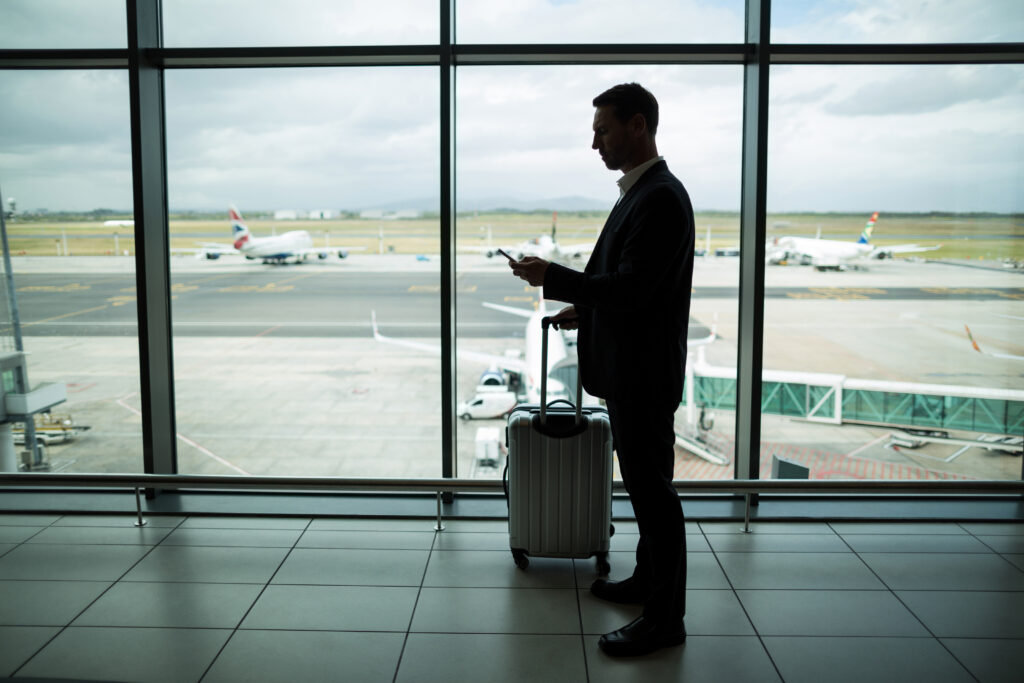
Mobility is the first real engine of culture. When people move, culture moves with them. Music, fashion, stories, food, creators, ideas and influences all begin to circulate more freely. A unified visa accelerates this exchange. It allows culture to flow faster, blend more naturally and compound in value. The Gulf becomes not six individual narratives competing for global attention but one interconnected cultural super region capable of generating, exporting and amplifying identity on a larger scale.
Movement also reshapes audience behaviour. In a mobile region, attention does not stay still. A traveller inspired by the heritage sites of Saudi Arabia may find themselves drawn to the contemporary art districts of Doha or the design and culinary scenes of Dubai.
A sports fan might attend a match in Abu Dhabi and then visit an esports event in Riyadh a few days later. Creators can film content across many markets in one trip, telling richer and more layered stories. Every movement becomes an opportunity for discovery, content creation and cultural engagement.
The creative and tourism sectors in the Gulf are evolving quickly. Museums, festivals, arenas, film hubs, music events, gaming centres and design focused public spaces are emerging across the region. Cities are no longer building experiences in isolation. They are building cultural gravity. But gravity only works when people can move. For a true cultural economy to form, talent, tourists, founders, artists, athletes and creators must be able to travel freely. That is what creates compounding value.
There is also a media dimension. When people move, their media consumption moves with them. They discover new platforms, new creators and new stories. A unified visa expands the cultural footprint of Gulf media by allowing narratives born in one market to influence audiences in another. The region becomes a single storytelling environment where content does not stop at the border. It travels with the audience.
Perception will shift too. The GCC has long been viewed globally as a group of growing but distinct economies. A unified visa reframes that perception. It communicates confidence, cohesion and forward movement. It positions the Gulf as a unified block with the scale to compete not only economically but culturally. It creates a region with enough diversity to be interesting and enough alignment to feel seamless. It also increases the region’s appeal to investors, creators, entrepreneurs and global brands that want integrated markets with strong demand for cultural and experiential expression.
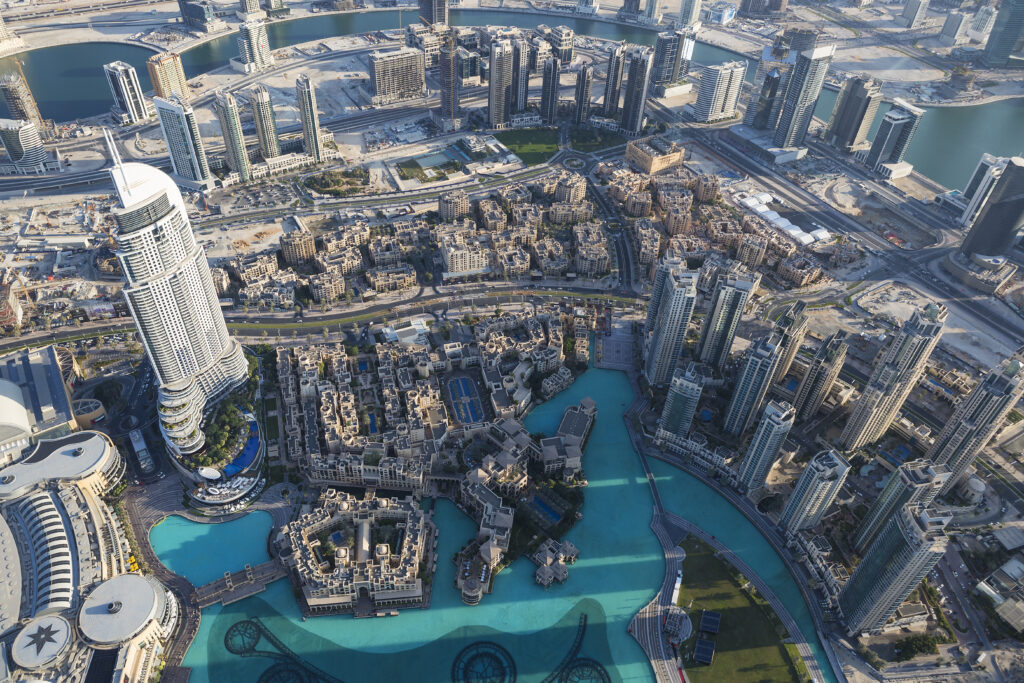
As mobility increases across the Gulf, a natural question emerges. Is this a competitor to Europe’s Schengen system and the summer travel patterns that have shaped global tourism for decades. In reality it is less a competition and more an alternative or even an accompaniment.
The GCC offers a different rhythm of culture, a different climate and a different kind of discovery. For many travellers, the region will become part of a dual season lifestyle. Europe in the summer and the Gulf in the winter. This is a positive development. It creates a more balanced global pattern of tourism and strengthens the Gulf’s position as a year round cultural and economic destination.
The deeper truth is that regions that move together grow together. Mobility fuels cultural exchange, and cultural exchange fuels economic possibility. By making movement seamless, the Gulf is laying the foundation for a shared future built not only on infrastructure and investment but on identity, creativity and connection. The unified GCC visa is more than an administrative update. It is a catalyst for cultural storytelling and one of the most important steps toward shaping the next chapter of the region’s economic and cultural influence.
As this new phase unfolds, one thing is certain. Audiences will move first. And wherever they move, culture will follow. In that movement lies the Gulf’s greatest opportunity to become one of the most dynamic, connected and culturally resonant regions in the world.